Instructions
- In a medium-sized, heavy-bottomed saucepan, combine the whole milk, half of the granulated sugar (1/4 cup or 50g), and the scraped vanilla bean seeds (if using a vanilla bean pod, add the pod as well).
- Place the saucepan over medium heat and bring the mixture to a gentle simmer, stirring occasionally to dissolve the sugar. Do not allow it to boil vigorously. Once simmering, remove from heat and let it steep for 10-15 minutes to infuse the vanilla flavor. If using vanilla extract or paste, do not add it yet.
- While the milk is steeping, in a separate medium bowl, whisk together the egg yolks, the remaining 1/4 cup (50g) of granulated sugar, the cornstarch, and the pinch of salt until the mixture is pale yellow and smooth, with no lumps of cornstarch visible.
- Once the milk has steeped, remove the vanilla bean pod (if used). Gradually temper the egg yolk mixture by slowly pouring about half of the warm milk into the egg yolk mixture, whisking constantly to prevent the eggs from scrambling. This step slowly raises the temperature of the egg yolks.
- Pour the tempered egg yolk mixture back into the saucepan with the remaining warm milk.
- Return the saucepan to medium-low heat and cook, whisking constantly and vigorously, especially paying attention to the bottom and corners of the pan, to prevent scorching. Continue cooking and whisking for 5-8 minutes, or until the mixture thickens considerably and starts to bubble. It should be thick enough to coat the back of a spoon and hold a trail when a finger is drawn across it. Once it starts bubbling, continue to cook and whisk for another 1-2 minutes to ensure the cornstarch is fully cooked and the raw starch flavor is gone.
- Remove the saucepan from the heat. If using vanilla extract or paste, stir it in now. Add the cold, diced unsalted butter, one piece at a time, whisking vigorously after each addition until fully incorporated and melted. The butter will add richness, shine, and a silky texture.
- Immediately strain the pastry cream through a fine-mesh sieve into a clean, shallow bowl. This step ensures an incredibly smooth, lump-free texture and removes any potential bits of cooked egg or vanilla bean.
- Press a piece of plastic wrap directly onto the surface of the pastry cream to prevent a skin from forming.
- Refrigerate the pastry cream for at least 4 hours, or preferably overnight, until thoroughly chilled and firm. This chilling process is crucial for the cream to fully set and for the flavors to meld.
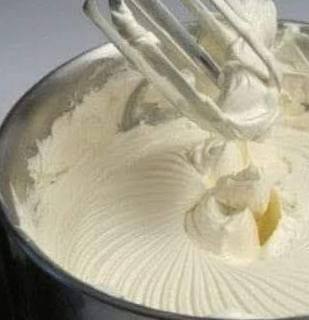
- Once thoroughly chilled, transfer the firm pastry cream to a large mixing bowl. Using a hand mixer (as shown in the image) or a stand mixer fitted with the whisk attachment, beat the pastry cream on medium-high speed for 2-3 minutes, or until it becomes light, airy, smooth, and voluminous, with soft peaks forming. This whipping step is the key to achieving that ideal, light, and pipeable consistency.
- Your ideal pastry cream is now ready to use in your favorite desserts!
Cooking Tips and Variations
For the ultimate smooth pastry cream, always remember the importance of constant whisking during the cooking phase. This prevents lumps from forming and ensures even cooking. Use a sturdy whisk that can reach all parts of your saucepan, especially the edges and bottom. A heavy-bottomed saucepan is also your best friend here, as it distributes heat more evenly and reduces the risk of scorching.
When it comes to tempering the egg yolks, patience is key. Pouring the hot milk in a slow, steady stream while whisking continuously will gently bring the egg mixture up to temperature without cooking the eggs prematurely. If you pour too quickly, you risk scrambling the yolks, which will result in a lumpy, unpleasant texture. If you do end up with a few small lumps, don’t despair! Straining the pastry cream through a fine-mesh sieve immediately after cooking will salvage the texture and give you a perfectly smooth result.
For flavor variations, the possibilities are endless! To make a rich chocolate pastry cream, add 4 ounces (113g) of finely chopped dark chocolate to the hot pastry cream along with the butter. Stir until melted and smooth. For a citrusy twist, infuse the milk with lemon, orange, or lime zest during the steeping phase. Coffee lovers can dissolve 1-2 tablespoons of instant espresso powder in the warm milk. Liqueurs like Grand Marnier, Cointreau, or rum can be stirred in after the cream has cooked and cooled slightly, adding a sophisticated depth of flavor. For a more robust vanilla flavor, consider using vanilla bean paste, which offers both the intense flavor and the beautiful specks of vanilla bean.
The choice of thickener can also subtly alter the texture. While cornstarch provides a glossier, more translucent, and slightly “jigglier” cream, all-purpose flour can be used for a more opaque, sturdier, and less glossy result. A combination of both is also common in some recipes. For this recipe, cornstarch is preferred for its superior thickening power and glossy finish.
Finally, don’t skip the chilling step! Pastry cream needs ample time in the refrigerator to fully set and firm up. Attempting to whip or use it before it’s properly chilled will result in a runny, unstable cream that won’t hold its shape. The colder it is, the better it will whip and the more stable it will be for piping and filling.
Storage and Reheating
Proper storage is crucial for maintaining the quality and safety of your homemade pastry cream. Once cooked and chilled, pastry cream should be stored in an airtight container in the refrigerator. To prevent a skin from forming and to protect it from absorbing refrigerator odors, always press a piece of plastic wrap directly onto the surface of the cream before covering the container. When stored correctly, pastry cream will last for 3-4 days in the refrigerator.
It is generally not recommended to freeze pastry cream. The high dairy and egg content can cause it to separate and become watery or grainy upon thawing, significantly altering its smooth, desirable texture. While some recipes for specific applications might claim success with freezing, for the ideal, silky pastry cream we’re aiming for, fresh is always best.
Pastry cream is typically served chilled, directly from the refrigerator after its final whipping. It does not require reheating. In fact, reheating it would likely cause it to lose its thickened structure, become runny, and potentially scramble the eggs. If you find your chilled and whipped pastry cream is a little too firm, you can let it sit at room temperature for about 10-15 minutes, then give it another quick whisk to loosen it slightly before using. However, avoid leaving it out for extended periods, as dairy-based products are perishable.
When using pastry cream as a filling for tarts or éclairs, assemble your desserts shortly before serving, especially if they are delicate. This ensures the pastry cream remains at its optimal texture and temperature. If you’re filling larger items like a cake, you can fill it and then refrigerate the entire cake until serving. Always prioritize food safety by keeping your pastry cream properly chilled.
Frequently Asked Questions
Why did my pastry cream turn out lumpy?
Lumpy pastry cream is a common issue, often caused by not whisking constantly and vigorously enough during the cooking process, allowing some parts of the cream to cook faster than others and form clumps. Another culprit can be adding the hot milk to the egg yolks too quickly during tempering, causing the eggs to scramble. To prevent this, always whisk continuously, especially in the corners of the pan, and temper the eggs slowly. If you do end up with lumps, simply pass the hot pastry cream through a fine-mesh sieve immediately after cooking to achieve a silky-smooth consistency.
My pastry cream is too thin; what went wrong?
If your pastry cream is too thin, it likely hasn’t been cooked long enough for the thickener (cornstarch) to fully activate. Cornstarch needs to reach a certain temperature and cook for a minute or two after boiling to achieve its maximum thickening potential. Return the saucepan to medium-low heat and continue whisking vigorously for a few more minutes until it thickens to the desired consistency. Remember, it will also thicken considerably as it chills in the refrigerator.
Can I make pastry cream without eggs?
While traditional pastry cream (crème pâtissière) relies on egg yolks for its rich flavor, color, and thickening power, you can make an egg-free version sometimes referred to as “crème légère” or a vegan custard. These versions typically use a higher ratio of cornstarch or another starch (like arrowroot or tapioca starch) and often incorporate plant-based milks and fats. However, the texture and flavor will be different from a classic egg-based pastry cream, lacking the same richness and velvety mouthfeel.
How do I prevent a skin from forming on my pastry cream?
A skin forming on the surface of pastry cream is a common problem when it cools. To prevent this, immediately after cooking and straining, press a piece of plastic wrap directly onto the entire surface of the hot pastry cream. Ensure there are no air pockets between the plastic wrap and the cream. This creates a barrier that prevents the surface from drying out and forming a tough skin as it chills. This simple step is crucial for maintaining that perfectly smooth texture.