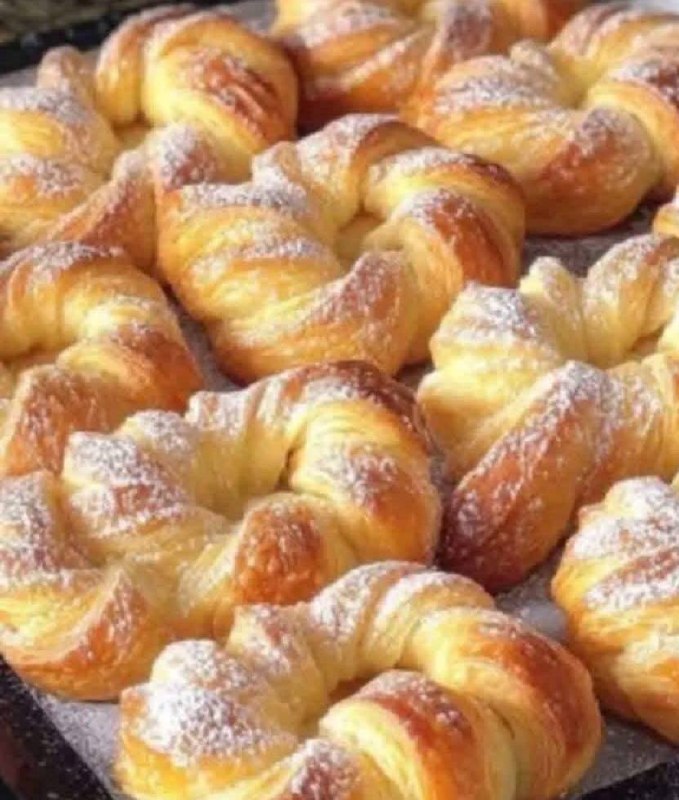
Instructions
- Preheat your oven to 400°F (200°C). Line a large baking sheet with parchment paper. This will prevent sticking and make cleanup easier.
- Lightly dust a clean work surface with granulated sugar. This sugar will adhere to the bottom of the puff pastry, creating a lovely caramelized crust.
- Carefully unroll the thawed puff pastry sheet onto the sugared surface. Ensure the pastry is cold but pliable, as warm pastry can become sticky and difficult to work with.
- Brush the entire top surface of the puff pastry sheet evenly with the melted unsalted butter. The butter acts as a glue for the sugar and helps in achieving a golden-brown color.
- Generously sprinkle the remaining 1/2 cup of granulated sugar evenly over the buttered surface of the puff pastry. Gently press the sugar into the pastry with your hands or a rolling pin to ensure it adheres well.
- Using a sharp knife or a pizza cutter, cut the puff pastry sheet lengthwise into 12 equal strips, each approximately 1 to 1.25 inches (2.5 to 3 cm) wide. Try to make the strips as uniform as possible for even baking.
- Take one strip of puff pastry. Hold one end in each hand. Gently twist the strip several times in opposite directions, creating a spiral or corkscrew shape. The more twists you create, the more defined the layers will be.
- Carefully transfer the twisted pastry strip to the prepared baking sheet. Leave about 1 to 2 inches (2.5 to 5 cm) of space between each pastry to allow for expansion during baking.
- Repeat the twisting process with the remaining 11 puff pastry strips, placing them on the baking sheet. If your baking sheet isn’t large enough, you may need to use two.
- Bake for 12 to 18 minutes, or until the Twisted Sugar Puff Pastry Rolls are puffed up, golden brown, and the sugar has caramelized beautifully. Keep a close eye on them, especially towards the end of the baking time, as sugar can burn quickly.
- Once baked, remove the baking sheet from the oven. Let the pastry rolls cool on the baking sheet for about 5 minutes. This allows the caramelized sugar to set.
- Carefully transfer the slightly cooled pastry rolls to a wire rack to cool completely.
- Once cooled, generously dust the Twisted Sugar Puff Pastry Rolls with powdered sugar using a fine-mesh sieve. This adds a final touch of sweetness and a beautiful presentation.
- Serve immediately and enjoy the delightful crispness and sweetness!
Cooking Tips and Variations
To achieve the best possible Twisted Sugar Puff Pastry Rolls, always start with high-quality, all-butter puff pastry. This makes a significant difference in the flakiness and flavor. Ensure your puff pastry is thawed but still cold when you begin working with it; if it gets too warm, the butter layers can melt, resulting in a less flaky texture. If your kitchen is warm, you might even consider chilling the cut strips for 10-15 minutes before twisting. When twisting, try to apply even pressure to create uniform spirals, which will bake more consistently. Don’t be afraid to generously sugar your work surface and the top of the pastry; this sugar is key to the delicious caramelized crust. For an extra crisp bottom, ensure your baking sheet is lined with parchment paper, which helps prevent sticking and promotes even browning. Keep a close eye on the oven during the last few minutes of baking, as the sugar can go from perfectly golden to burnt very quickly. If you notice them browning too fast, you can loosely tent them with aluminum foil.
The beauty of these rolls is how easily they can be adapted to different tastes. For a classic twist, add 1-2 teaspoons of ground cinnamon to the granulated sugar before sprinkling it over the pastry, creating Cinnamon Sugar Puff Pastry Twists. A touch of vanilla extract (1/2 teaspoon) can be mixed into the melted butter before brushing, adding a subtle depth of flavor. For a citrusy zing, finely grate the zest of half a lemon or orange into the sugar mixture. If you’re a fan of nuts, finely chopped almonds or pecans can be sprinkled along with the sugar for added texture and flavor. For a more decadent treat, after baking and cooling, you can drizzle the rolls with a simple glaze made from powdered sugar and a touch of milk or lemon juice. Maple glaze, made with powdered sugar and maple syrup, also pairs wonderfully. Chocolate lovers can sprinkle mini chocolate chips over the pastry before twisting for a melt-in-your-mouth surprise. For a savory option, omit the sugar and instead sprinkle with grated Parmesan cheese, garlic powder, and dried herbs for a delicious appetizer, adjusting baking time as needed.
Storage and Reheating
Twisted Sugar Puff Pastry Rolls are definitely at their best when enjoyed fresh, straight from the oven. The flaky texture and crisp caramelized sugar are most pronounced in the first few hours after baking. However, if you do have leftovers, they can be stored to maintain some of their deliciousness. Allow the pastries to cool completely to room temperature before storing. This is crucial as any residual warmth can create condensation, making them soggy. Once cooled, place them in an airtight container at room temperature. They will remain good for 1 to 2 days. While they won’t be as crisp as when freshly baked, they will still be a delightful sweet treat. Avoid refrigerating these pastries if possible, as the cold can make the puff pastry texture less desirable and the sugar coating can become sticky.
For reheating, the best method to revive some of their crispness is to use an oven or a toaster oven. Preheat your oven to 300°F (150°C). Place the pastries directly on a baking sheet (no need for parchment paper unless you want to prevent any potential sticking from melted sugar). Reheat for about 5 to 8 minutes, or until they are warmed through and the sugar has slightly re-caramelized, bringing back some of that delightful crunch. Keep a close eye on them to prevent burning. A toaster oven works similarly well for smaller batches. Microwaving is generally not recommended for reheating puff pastry as it tends to make them soft and chewy rather than restoring crispness. If you’re short on time, they can also be enjoyed at room temperature on subsequent days, though they will have a softer texture. To prepare ahead for guests, you can twist the pastry strips and arrange them on a parchment-lined baking sheet, then cover and refrigerate for up to 24 hours. Bake them fresh just before serving for the ultimate experience.
Frequently Asked Questions
Can I use frozen puff pastry?
Yes, absolutely! This recipe is designed with store-bought frozen puff pastry in mind, as it makes the process incredibly quick and easy. Just be sure to thaw it according to the package directions before you start working with it. The key is to ensure it’s pliable enough to unroll and cut without cracking, but still cold to maintain its flaky layers. If it becomes too warm and sticky, pop it back into the refrigerator for 10-15 minutes to chill before continuing.
How can I prevent the sugar from burning?
Preventing the sugar from burning is crucial for these rolls. The best way to do this is to keep a very close eye on them, especially during the last few minutes of baking. Ovens can vary, so the baking time is an estimate. Once the pastries start to turn golden brown and the sugar begins to bubble and caramelize, they are close to being done. If you notice they are browning too quickly, you can loosely tent the baking sheet with aluminum foil to slow down the browning of the sugar while the pastry continues to cook through. Also, ensure your oven temperature is accurate; an oven thermometer can be helpful.
Can I make these ahead of time?
While these Twisted Sugar Puff Pastry Rolls are best enjoyed fresh, you can definitely do some prep work in advance. You can twist the pastry strips and arrange them on a parchment-lined baking sheet. Cover the baking sheet tightly with plastic wrap and refrigerate for up to 24 hours. When you’re ready to bake, simply remove them from the refrigerator and bake according to the instructions, adding a minute or two to the baking time since they are starting from a colder temperature. This is a fantastic trick for entertaining or for a fresh breakfast treat without the early morning fuss.
What if my puff pastry cracks when I unroll it?
If your puff pastry cracks when you unroll it, it’s usually a sign that it’s still too cold. Don’t worry, it’s an easy fix! Just let it sit at room temperature for another 5-10 minutes to warm up slightly and become more pliable. You can often gently press the cracked edges back together with your fingers, and once it’s sugared and twisted, the small imperfections usually become unnoticeable. If it’s a significant tear, you can still proceed, as the twisting will often disguise it, or you might have slightly shorter strips.