Instructions
- Cook the Pasta: Bring a large pot of salted water to a rolling boil. Add the linguine or spaghetti and cook according to package directions until al dente. Before draining, reserve about 1 ½ cups of the starchy pasta water. Drain the pasta and toss with a drizzle of olive oil to prevent sticking. Set aside.
- Prepare the Shrimp: While the pasta is cooking, pat the peeled and deveined shrimp dry with paper towels. In a medium bowl, toss the shrimp with 1 tablespoon of olive oil, paprika, garlic powder, red pepper flakes (if using), ½ teaspoon salt, and ¼ teaspoon black pepper. Ensure the shrimp are evenly coated.
- Sauté the Shrimp: Heat a large skillet or Dutch oven over medium-high heat. Add the seasoned shrimp in a single layer, being careful not to overcrowd the pan. Cook for 1-2 minutes per side, just until they turn pink and opaque. Shrimp cook very quickly, so avoid overcooking. Remove the cooked shrimp from the skillet and set aside on a clean plate.
- Build the Creamy Garlic Sauce: Reduce the heat to medium. Add 1 tablespoon of unsalted butter to the same skillet. Once melted, add the minced garlic and sauté for about 1 minute, until fragrant. Be careful not to burn the garlic.
- Deglaze and Simmer: Pour in the dry white wine or chicken broth. Bring to a simmer, scraping up any browned bits from the bottom of the pan with a wooden spoon. Let it simmer for 2-3 minutes, allowing the liquid to reduce slightly.
- Add Cream and Cheese: Stir in the heavy cream and bring the sauce to a gentle simmer. Cook for 3-5 minutes, stirring occasionally, until the sauce thickens slightly. Remove from heat and stir in ½ cup of grated Parmesan cheese until fully melted and incorporated. Season the sauce with salt and pepper to taste.
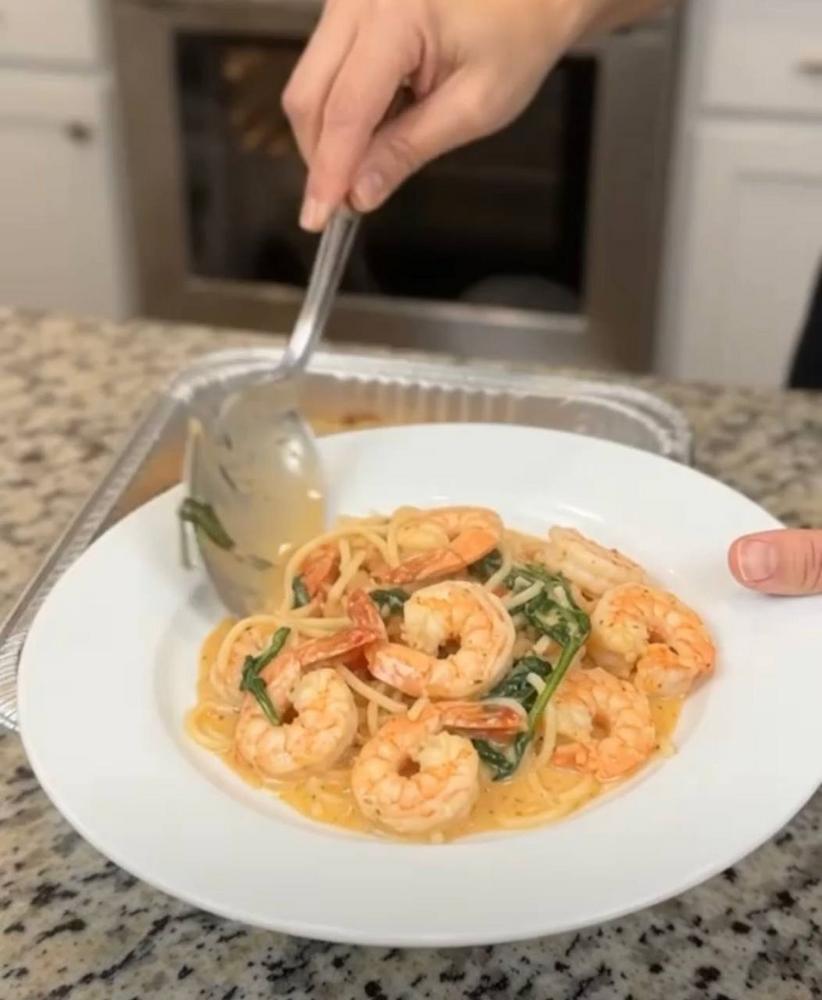
- Combine Everything: Add the cooked and drained pasta to the skillet with the sauce. Add the sautéed shrimp and the fresh spinach. Using tongs, toss everything together gently, allowing the spinach to wilt into the hot sauce and the pasta to become fully coated. If the sauce seems too thick, add a splash of the reserved pasta water, a tablespoon at a time, until you reach your desired consistency.
- Serve: Divide the Creamy Garlic Shrimp Pasta among serving plates. Garnish generously with fresh chopped parsley and an extra sprinkle of Parmesan cheese. Serve immediately with lemon wedges on the side for a bright, fresh finish.
Cooking Tips and Variations
Achieving a truly spectacular Creamy Garlic Shrimp Pasta involves a few key techniques and offers plenty of room for customization. The perfect sauce consistency is paramount; it should be thick enough to cling to every strand of pasta but still luscious and pourable. To achieve this, don’t be afraid to adjust with reserved pasta water. This starchy liquid is your secret weapon for emulsifying the sauce, making it incredibly smooth and helping it adhere beautifully to the pasta. If your sauce seems too thin, let it simmer a little longer; if too thick, a tablespoon or two of pasta water will bring it to perfection. Another crucial tip is to avoid overcooking the shrimp. Shrimp cook incredibly fast, turning rubbery and tough if left on the heat for too long. Cook them just until they turn pink and opaque, typically 1-2 minutes per side, then remove them from the pan. They will continue to cook slightly when added back into the hot pasta and sauce, so undercooking them slightly initially is better than overcooking. For the best flavor, always use fresh garlic; pre-minced garlic in a jar often lacks the pungent aroma and sharp taste of freshly chopped cloves. Don’t skimp on the garlic – it’s a star of this dish!
This recipe is wonderfully versatile, allowing for numerous ingredient substitutions to suit your preferences or what you have on hand. For a dairy-free version, you can experiment with full-fat coconut milk or a plant-based cream alternative, though the flavor profile will shift slightly. Chicken or vegetable broth can be used in place of white wine for deglazing if you prefer to avoid alcohol. While linguine or spaghetti are classic choices, feel free to use other pasta shapes like fettuccine, penne, or even farfalle. Each shape will offer a different textural experience. To boost the vegetable content, consider adding other quick-cooking veggies. Cherry tomatoes, halved and added with the spinach, offer a burst of sweetness and acidity. Asparagus spears, blanched briefly or sautéed with the garlic, would also be a delicious addition. For a spicier kick, increase the red pepper flakes or add a dash of your favorite hot sauce to the cream. If you don’t have fresh spinach, frozen spinach (thawed and squeezed dry) can be used in a pinch, though fresh provides a better texture. For an extra layer of flavor, a squeeze of fresh lemon juice at the end brightens the entire dish, cutting through the richness of the cream.
Serving this Creamy Garlic Shrimp Pasta is an experience in itself. While it’s a complete meal on its own, pairing it with a simple side can elevate the dining experience. A crisp, green salad with a light vinaigrette provides a refreshing contrast to the creamy pasta. A warm, crusty baguette or garlic bread is perfect for soaking up every last drop of that amazing sauce. A glass of chilled white wine, such as a Sauvignon Blanc or Pinot Grigio, complements the seafood and cream beautifully. Don’t forget a final sprinkle of freshly grated Parmesan cheese and a generous shower of fresh parsley for both flavor and visual appeal. This dish is designed for immediate enjoyment, so gather everyone around the table as soon as it’s ready!
Storage and Reheating
While Creamy Garlic Shrimp Pasta is best enjoyed fresh, you can certainly store and reheat leftovers. To store, allow the pasta to cool completely before transferring it to an airtight container. Refrigerate promptly and consume within 2-3 days. Due to the cream and seafood, it’s important to store it properly to maintain freshness and safety.
Reheating creamy pasta dishes can sometimes be tricky, as the sauce can separate or become dry. For best results, reheat individual portions gently. The preferred method is on the stovetop: place the desired amount of pasta in a skillet over medium-low heat. Add a splash of milk, cream, or chicken broth (about 1-2 tablespoons per serving) to help rehydrate the sauce. Stir gently and continuously until heated through, being careful not to boil. This method helps the sauce become creamy again without drying out the shrimp. You can also microwave leftovers in short bursts (30-60 seconds), stirring in between, until warmed through. Again, a tiny splash of liquid can help revive the sauce. Avoid overheating, as this can make the shrimp rubbery. The texture of the shrimp might be slightly different upon reheating, but the flavors will still be delicious.
Frequently Asked Questions
Can I use frozen shrimp for this recipe?
Absolutely! Frozen shrimp work perfectly for this recipe. Just make sure to thaw them completely before seasoning and cooking. You can thaw them overnight in the refrigerator or by placing them in a colander under cold running water for about 10-15 minutes until defrosted. Pat them very dry with paper towels before cooking to ensure they sear properly and don’t steam.
What if I don’t have white wine? Can I omit it?
If you prefer not to use white wine, you can easily substitute it with an equal amount of chicken broth or vegetable broth. The wine adds a subtle acidity and depth of flavor, but the broth will still provide liquid for deglazing and contribute to a flavorful sauce. You can also add a tiny squeeze of lemon juice with the broth for a touch of brightness.
How can I make the sauce thicker or thinner?
The key to adjusting your sauce consistency lies in the reserved pasta water. If your sauce is too thick after adding the cream and cheese, gradually stir in a tablespoon or two of the starchy pasta water until it reaches your desired creaminess. If the sauce is too thin, simply let it simmer on low heat for a few more minutes, stirring occasionally, allowing it to reduce and thicken naturally. Just be careful not to reduce it too much, as it will continue to thicken slightly as it cools.