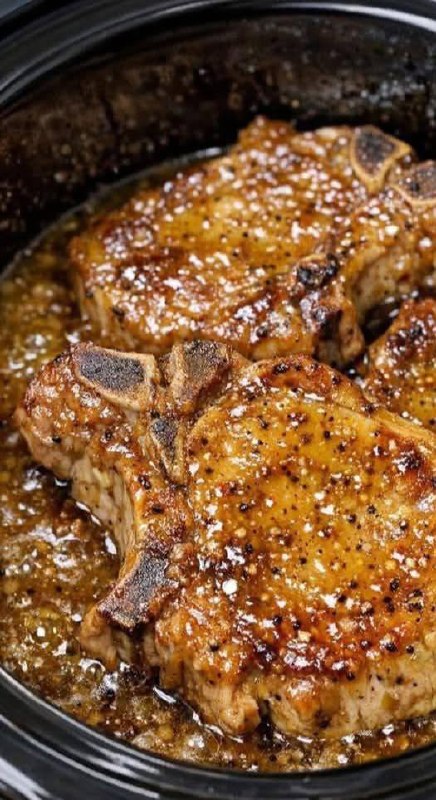
Instructions
- Prepare the Pork Chops: Pat the pork chops thoroughly dry with paper towels. This is crucial for achieving a good sear. Season both sides generously with 1 teaspoon of sea salt and 1 teaspoon of freshly ground black pepper.
- Sear the Chops: Heat the olive oil in a large, heavy-bottomed skillet or Dutch oven over medium-high heat until shimmering. Carefully place the seasoned pork chops in the hot skillet, ensuring not to overcrowd the pan (you may need to work in batches). Sear for 3-4 minutes per side, until deeply golden brown and a crust has formed. The goal here is color and flavor, not to cook them through. Remove the seared chops from the skillet and set aside on a plate.
- Deglaze the Pan: Reduce the heat to medium. If there’s excessive fat, carefully drain some off, leaving about 1 tablespoon. Add the minced garlic and grated ginger (if using) to the skillet and sauté for 30 seconds until fragrant, being careful not to burn it.
- Make the Glaze: Pour in the chicken broth, honey (or maple syrup), apple cider vinegar, soy sauce, and smoked paprika (if using). Bring the mixture to a simmer, scraping up any browned bits from the bottom of the pan with a wooden spoon. These bits are full of flavor!
- Simmer the Glaze: Continue to simmer the glaze mixture for 5-7 minutes, stirring occasionally, until it has slightly thickened and reduced by about a third. Taste and adjust seasoning if necessary, adding more salt or pepper to your preference.
- Combine Chops and Glaze: Return the seared pork chops to the skillet, nestling them into the simmering glaze. Ensure the chops are mostly submerged in the sauce.
- Cook Through (Slow Cooker/Oven Method):
- For Slow Cooker: Transfer the contents of the skillet (chops and glaze) to a slow cooker. Cook on LOW for 2-3 hours, or until the pork chops are tender and cooked through (internal temperature reaches 145°F / 63°C).
- For Oven: Cover the skillet tightly with a lid or aluminum foil. Transfer the skillet to a preheated oven at 350°F (175°C) and bake for 20-30 minutes, or until the pork chops are tender and cooked through (internal temperature reaches 145°F / 63°C).
- Finish on Stovetop (if needed for thickening): Once the chops are cooked, remove them from the skillet and place them on a clean plate, tenting with foil to keep warm. If the glaze is not thick enough for your liking, return the skillet to the stovetop over medium heat. Bring to a gentle simmer. Whisk in the cornstarch slurry (cornstarch mixed with cold water) a little at a time, stirring constantly, until the glaze reaches your desired consistency. It will thicken as it cools.
- Serve: Spoon the warm, glossy glaze generously over the pork chops. Garnish with fresh chopped parsley or chives, if desired. Serve immediately with your favorite side dishes.
Cooking Tips and Variations
Choosing the Right Chops: For the most flavorful and tender results, opt for bone-in pork loin chops that are at least 1 to 1.5 inches thick. Thicker chops are less likely to dry out and offer a juicier bite. While boneless chops can be used, reduce the cooking time slightly to prevent overcooking. Bone-in cuts also impart more flavor to the sauce during the cooking process.
Don’t Overcook! The cardinal rule for pork chops is not to overcook them. Pork is lean and can become dry and tough if cooked past its ideal temperature. For tender, juicy chops, aim for an internal temperature of 145°F (63°C) when measured with an instant-read thermometer at the thickest part of the chop, avoiding the bone. Remember that pork will continue to cook slightly after it’s removed from the heat (carryover cooking), so taking it off a few degrees early is often a good strategy. Resting the chops for 5-10 minutes after cooking allows the juices to redistribute, resulting in a more succulent piece of meat.
Achieving the Perfect Sear: A good sear is essential for building a flavorful crust and locking in moisture. Ensure your skillet is hot and the oil is shimmering before adding the chops. Patting the pork chops completely dry with paper towels before seasoning and searing is crucial, as moisture creates steam and prevents browning. Don’t overcrowd the pan; sear in batches if necessary to maintain high heat.
Glaze Consistency is Key: The ideal glaze should be thick enough to coat the back of a spoon but still pourable. If your glaze is too thin after simmering, you can thicken it with a cornstarch slurry (1 tablespoon cornstarch mixed with 2 tablespoons cold water, whisked into the simmering glaze until desired consistency is reached). If it becomes too thick, a splash of chicken broth or water can thin it out. Remember, the glaze will thicken further as it cools.
Seasoning Properly: Don’t be shy with salt and pepper on the chops themselves. This initial seasoning forms the base of the flavor. For the glaze, taste often as it simmers and adjust the balance. If it’s too sweet, add a touch more apple cider vinegar or a pinch of salt. If it’s too tart, a little more honey can balance it. The goal is a harmonious blend of savory, sweet, and tangy.
Glaze Variations to Explore:
- Spicy Kick: Add a pinch of red pepper flakes or a dash of sriracha to the glaze for a fiery twist.
- Herb Infusion: Incorporate fresh thyme, rosemary, or sage sprigs into the glaze as it simmers, removing them before serving.
- Different Sweeteners: Experiment with brown sugar, molasses, or a combination for a deeper, richer sweetness.
- Fruity Notes: A tablespoon of apricot preserves, orange marmalade, or cranberry sauce can add a lovely fruity dimension to the glaze.
- Umami Boost: A dash of Worcestershire sauce or a teaspoon of Dijon mustard can deepen the savory notes.
- Garlic Lover’s Dream: Increase the minced garlic to 3-4 cloves for a more pronounced garlic flavor.
Serving Suggestions: Glazed pork chops pair beautifully with a variety of side dishes. Creamy mashed potatoes or fluffy rice are perfect for soaking up every last drop of that delicious glaze. Roasted vegetables like asparagus, broccoli, or Brussels sprouts offer a nice textural contrast and a healthy balance. A simple green salad with a light vinaigrette can also cut through the richness of the dish.
Storage and Reheating
Storage: Leftover Glazed Pork Chops can be stored in an airtight container in the refrigerator for up to 3-4 days. Ensure both the chops and the glaze are completely cooled before transferring them to the container. Storing them together in the glaze helps keep the chops moist and flavorful.
Reheating: To reheat, gently warm the pork chops and glaze in a covered skillet over medium-low heat on the stovetop. You may need to add a splash of chicken broth or water to thin the glaze if it has become too thick. Alternatively, you can reheat them in the microwave in short intervals, stirring occasionally, until heated through. Be careful not to overheat, as this can dry out the pork. For best results, avoid high heat and prolonged reheating times.
Frequently Asked Questions
Can I use boneless pork chops for this recipe?
Yes, you can absolutely use boneless pork chops. However, boneless chops tend to cook faster and can dry out more easily. If using boneless, reduce the searing time slightly and monitor the internal temperature carefully during the final cooking stage. Aim for 145°F (63°C) and be prepared to remove them from the heat a bit sooner.
My glaze isn’t thickening. What should I do?
If your glaze isn’t thickening to your desired consistency after simmering, you can use a cornstarch slurry. In a small bowl, whisk together 1 tablespoon of cornstarch with 2 tablespoons of cold water until smooth. While the glaze is simmering on the stovetop, gradually whisk in the slurry, a little at a time, until the glaze thickens. Continue to simmer for another minute or two to cook out any starchy flavor. Remember, the glaze will also thicken as it cools.
Can I prepare the glaze in advance?
Yes, you can prepare the glaze up to 2-3 days in advance. Simply follow the instructions for making the glaze (steps 3-5), let it cool completely, and store it in an airtight container in the refrigerator. When you’re ready to cook, gently reheat the glaze in the skillet before adding the seared pork chops and proceeding with the rest of the recipe.
How do I know when the pork chops are done without a thermometer?
While an instant-read thermometer is the most reliable way to ensure perfectly cooked pork, if you don’t have one, you can check for doneness by cutting into the thickest part of one chop. The juices should run clear, and the meat should be slightly pink in the center, not red. The texture should be tender and yielding, not tough or rubbery. However, for food safety and optimal tenderness, a thermometer is highly recommended.