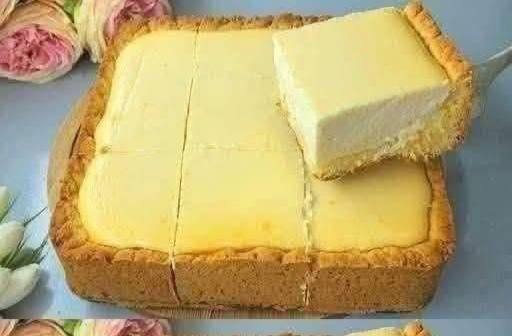
Instructions
- Prepare the Pasta Frolla: In a large bowl, combine the flour, sugar, salt, and lemon zest (if using). Add the cold, cubed butter and cut it into the flour mixture using your fingertips, a pastry blender, or a food processor until it resembles coarse crumbs.
- Add the whole egg and egg yolk. Mix gently until the dough just comes together. Be careful not to overwork the dough, as this can make it tough.
- Form the dough into a disc, wrap it tightly in plastic wrap, and refrigerate for at least 30 minutes, or up to 1 hour. This chilling step is crucial for a tender pastry.
- Prepare the Crema Pasticcera: In a medium saucepan, gently heat the milk with the lemon zest over medium heat until it just begins to simmer around the edges. Do not boil. Remove from heat and set aside to infuse.
- In a separate bowl, whisk together the egg yolks and granulated sugar until pale and creamy. Add the cornstarch and whisk until fully incorporated and no lumps remain.
- Slowly pour about half of the warm milk mixture into the egg yolk mixture, whisking constantly to temper the eggs. This prevents the eggs from scrambling.
- Pour the tempered egg mixture back into the saucepan with the remaining milk. Return the saucepan to medium-low heat.
- Cook, whisking constantly, until the custard thickens significantly and coats the back of a spoon. It should come to a gentle boil for 1-2 minutes to ensure the cornstarch is fully cooked and activated.
- Remove from heat and stir in the vanilla extract.
- Pour the custard into a clean bowl. Cover the surface directly with plastic wrap to prevent a skin from forming. Let it cool slightly at room temperature, then refrigerate until completely cold and firm, at least 2-3 hours.
- Assemble the Torta: Preheat your oven to 180°C (350°F). Lightly butter and flour a 23-24 cm (9-inch) tart pan with a removable bottom.
- Divide the chilled pasta frolla into two pieces, one slightly larger than the other (about 2/3 and 1/3).
- On a lightly floured surface, roll out the larger piece of dough into a circle about 30 cm (12 inches) in diameter and about 3-4 mm (⅛ inch) thick. Carefully transfer the dough to the prepared tart pan, pressing it gently into the bottom and up the sides. Trim any excess dough, leaving a slight overhang.
- Prick the bottom of the pastry shell with a fork several times.
- Pour the chilled crema pasticcera into the pastry shell, spreading it evenly.
- Roll out the remaining piece of dough into a circle slightly larger than the top of your tart pan. Carefully place it over the custard filling.
- Trim the edges of the top pastry, then press the edges of the top and bottom pastry together to seal, creating a decorative crimped edge if desired.
- If using, sprinkle the pine nuts evenly over the top crust.
- Bake the Torta: Bake for 40-50 minutes, or until the crust is golden brown and the custard is set (it should not jiggle excessively when gently shaken). If the edges start to brown too quickly, you can loosely cover them with aluminum foil.
- Cool and Serve: Once baked, remove the torta from the oven and let it cool completely on a wire rack in the tart pan. This is crucial for the custard to fully set. Do not attempt to remove it from the pan or slice it while warm.
- Once completely cooled (preferably chilled for several hours or overnight in the refrigerator), carefully remove the torta from the pan.
- Before serving, dust generously with powdered sugar. Slice and serve at room temperature or slightly chilled.
Cooking Tips and Variations
Achieving the perfect Torta della Nonna is a delightful endeavor, and a few key tips can elevate your results from good to absolutely sublime. First and foremost, resist the urge to overwork your pasta frolla. The secret to a tender, crumbly shortcrust pastry lies in minimal handling. Over-mixing develops gluten, which leads to a tough crust, so aim for just enough mixing to bring the dough together. Chilling the dough thoroughly, both after mixing and after lining the tart pan, is another non-negotiable step. This allows the butter to firm up, preventing shrinkage during baking and ensuring a flaky texture.
When it comes to the crema pasticcera, patience is a virtue. Cook the custard over medium-low heat, stirring constantly, until it reaches a thick, pudding-like consistency. It should gently bubble for a minute or two to ensure the cornstarch is fully cooked and won’t leave a raw, starchy taste. Tempering the egg yolks with warm milk before adding them back to the saucepan is crucial to prevent scrambling. And remember, the custard must be completely cold and set before baking inside the tart; a warm or runny custard will lead to a soggy bottom and an unset cake.
For a truly authentic touch, don’t skip the lemon zest in both the pastry and the custard. It provides a bright, aromatic counterpoint to the richness of the butter and eggs. While the recipe calls for pine nuts, which are traditional, you can also use slivered almonds for a slightly different nutty crunch. A generous dusting of powdered sugar just before serving not only adds a beautiful finish but also a delicate sweetness that perfectly balances the tartness of the lemon. For a deeper flavor profile, consider infusing your milk with a vanilla bean pod along with the lemon zest, removing the pod before tempering the eggs.
If you’re feeling adventurous, you can experiment with other citrus zests, such as orange or lime, for a different flavor profile in the custard. Some variations of Torta della Nonna include a thin layer of fruit jam (like apricot or cherry) spread over the bottom crust before adding the custard, offering an extra layer of sweetness and texture. Another popular twist involves adding a touch of ricotta cheese to the custard for an even creamier, slightly tangy filling. Always ensure your tart is completely cooled before slicing; patience here will reward you with clean, beautiful slices and a perfectly set custard.
Storage and Reheating
Proper storage is essential to maintain the deliciousness and integrity of your Torta della Nonna. Once completely cooled, the tart should be stored in an airtight container in the refrigerator. This is particularly important because of the fresh custard filling, which is perishable. Stored correctly, Torta della Nonna will keep well in the refrigerator for up to 3-4 days. While it can technically last a bit longer, the pastry will gradually lose its crispness and the flavors are best enjoyed within this timeframe.
When it comes to reheating, Torta della Nonna is generally best enjoyed at room temperature or slightly chilled, straight from the refrigerator. The beauty of this dessert lies in its creamy, cool custard and firm pastry, which can be compromised by reheating. If you prefer a warmer slice, or if the tart has been in the refrigerator and you want to take the chill off, avoid using a microwave. Microwaving will likely make the pastry soggy and can alter the texture of the custard, making it rubbery or watery.
Instead, if you wish to warm it, place individual slices on a baking sheet and heat them in a preheated oven at a low temperature (around 150°C or 300°F) for about 5-10 minutes, just until warmed through. Keep a close eye on it to prevent over-browning or drying out. However, for the most authentic and enjoyable experience, simply let a refrigerated slice sit out at room temperature for 15-20 minutes before serving. This allows the flavors to fully develop and the custard to reach its optimal creamy texture.
Freezing Torta della Nonna is generally not recommended. While the pastry might hold up, the custard filling, being dairy-based, can change in texture once thawed, often becoming grainy or watery. It’s best to enjoy this classic fresh and within a few days of baking. If you are preparing for a special occasion, you can make the pasta frolla dough and the crema pasticcera separately a day or two in advance, storing them in the refrigerator, and then assemble and bake the tart closer to serving time for the freshest results.
Frequently Asked Questions
How do I prevent my Torta della Nonna crust from getting soggy?
A soggy bottom is a common concern with custard tarts. To prevent this, ensure you blind bake your pastry shell before adding the filling. Blind baking involves baking the empty crust, often with pie weights or dried beans, for about 15-20 minutes until it’s partially cooked and slightly golden. Also, make sure your custard filling is completely cold and set before pouring it into the pastry, as a warm or runny filling will release steam and moisture into the crust during baking. Finally, do not overfill the tart.
Can I make Torta della Nonna ahead of time?
Yes, Torta della Nonna is an excellent make-ahead dessert. You can prepare the pasta frolla dough up to 2-3 days in advance and store it tightly wrapped in the refrigerator. The crema pasticcera can also be made 1-2 days ahead and kept in an airtight container in the refrigerator with plastic wrap pressed directly onto its surface to prevent a skin from forming. Once assembled and baked, the finished Torta della Nonna needs to cool completely (preferably overnight in the fridge) before slicing, making it ideal for preparing the day before you plan to serve it.
What is the traditional garnish for Torta della Nonna?
The most traditional garnish for Torta della Nonna is a simple dusting of powdered sugar and a sprinkling of pine nuts over the top crust. The pine nuts add a subtle nutty flavor and a slight crunch that complements the creamy custard and tender pastry. While some modern variations might include fresh berries or a dollop of whipped cream, the classic presentation is understated and elegant, allowing the natural flavors of the cake to shine.
Why did my custard turn out lumpy?
Lumpy custard usually occurs if the cornstarch (or flour) wasn’t fully incorporated before cooking, or if the custard wasn’t stirred constantly while heating. To avoid lumps, make sure to whisk the cornstarch with the egg yolks and sugar until completely smooth before adding any liquids. When cooking, maintain a consistent medium-low heat and stir continuously, scraping the bottom and sides of the saucepan, to ensure even cooking and prevent the custard from sticking and forming lumps.