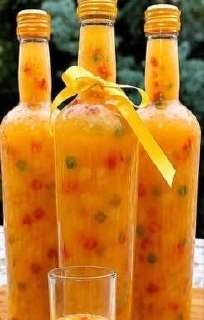
Instructions
- Prepare Jars and Lids: Begin by sterilizing your canning jars and lids. Wash jars and bands in hot, soapy water, then rinse thoroughly. Place jars in a large pot with a canning rack, ensuring they are covered by at least an inch of water. Bring to a boil and simmer for 10 minutes. Keep jars hot until ready to fill. Place new lids in a small saucepan with simmering (not boiling) water for at least 5 minutes to soften the sealing compound.
- Prepare Pineapple: If using fresh pineapple, peel, core, and then crush it using a food processor or by hand. Measure out 4 cups of crushed pineapple. If using canned, ensure it is thoroughly drained to remove excess liquid.
- Prepare Jalapeños and Bell Pepper: Wash jalapeños and, wearing gloves, carefully remove stems. For milder jelly, remove seeds and membranes. For more heat, leave some seeds in. Finely dice the jalapeños. Finely dice the red bell pepper if using.
- Combine Ingredients (Initial Cook): In a large, heavy-bottomed pot or Dutch oven, combine the crushed pineapple, diced jalapeños, diced red bell pepper (if using), and apple cider vinegar. Bring the mixture to a boil over medium-high heat, stirring frequently. Reduce heat to medium-low and simmer for 10-15 minutes, allowing the flavors to meld and the peppers to soften slightly.
- Add Sugar: Gradually stir in the granulated sugar, ensuring it dissolves completely. Continue stirring until the mixture returns to a full rolling boil that cannot be stirred down. This is crucial for proper setting.
- Add Pectin: Once the mixture reaches a full rolling boil, immediately stir in the liquid fruit pectin. Stir vigorously for 1 minute while maintaining the rolling boil. This ensures the pectin is evenly distributed and activated.
- Skim Foam: Remove the pot from the heat. Skim off any foam that rises to the surface using a metal spoon. This helps create a clear, attractive jelly.
- Fill Jars: Carefully ladle the hot jelly into the sterilized hot jars, leaving 1/4 inch headspace from the rim. Wipe the rims of the jars clean with a damp cloth to ensure a good seal.
- Seal Jars: Place the prepared lids on the jars and screw on the bands until fingertip tight (do not overtighten).
- Process Jars (Water Bath Canning): Place the filled jars back onto the canning rack in the large pot, ensuring they are covered by at least 1 inch of water. Bring the water to a rolling boil. Once boiling, process the jars for 10 minutes (adjust processing time for altitude if necessary).
- Cool and Check Seals: After processing, carefully remove the jars from the canner and place them on a clean towel or wire rack, spaced apart, to cool completely for 12-24 hours. Do not disturb them during this time. Once cooled, check the seals by pressing down on the center of each lid. If the lid does not flex, it is sealed. Unsealed jars should be refrigerated and consumed within 3 weeks.
- Label and Store: Label your sealed jars with the date and store them in a cool, dark place for up to 1 year.
Cooking Tips and Variations
Heat Control is Key: The spiciness of your jelly is entirely in your hands! For a milder jelly, meticulously remove all seeds and white membranes from the jalapeños. For a medium heat, leave a few seeds in. For a fiery kick, include more seeds and membranes. Always wear gloves when handling jalapeños to prevent skin irritation.
Pineapple Perfection: While fresh pineapple offers the brightest flavor, high-quality canned crushed pineapple (well-drained) is a convenient and perfectly acceptable alternative. If using fresh, ensure it’s ripe for maximum sweetness and aroma. A food processor makes quick work of crushing fresh pineapple.
Achieving the Perfect Set: Pectin is your friend, but proper technique is crucial. Ensure your jelly reaches a “full rolling boil” – one that cannot be stirred down – before adding the pectin, and maintain that boil for the specified time after adding it. If your jelly doesn’t seem to set after cooling, don’t despair! You can reprocess it. Reheat the jelly, add another pouch of liquid pectin (mixed with 1/4 cup water), bring to a full rolling boil for 1 minute, and re-jar. Sometimes, a bit of lemon juice can also aid in setting due to its acidity.
Experiment with Peppers: For a different flavor profile, consider adding a small amount of habanero for a more intense heat and fruity note, or a milder bell pepper in addition to or instead of the red bell pepper for color and sweetness without extra spice.
Spice it Up (or Down): Beyond the jalapeños, you can introduce other spices. A pinch of ground ginger or a tiny amount of red pepper flakes can add another layer of warmth. Conversely, for a less spicy version, you can replace a portion of the jalapeños with an equal amount of green bell pepper.
Adding Fruit Twists: While pineapple is the star, a small amount of mango or peach can be added to the pineapple mixture for a more complex tropical flavor. Ensure the total fruit pulp remains around 4 cups.
Canning Confidence: For those new to canning, investing in a basic canning kit (which includes a jar lifter, funnel, and headspace tool) can make the process much smoother and safer. Always double-check your processing times based on your altitude to ensure food safety.
Testing for Doneness: A traditional way to test if jelly is ready to set is the “sheet test.” Dip a cold metal spoon into the boiling jelly, then lift it and tilt it sideways. If the jelly forms a “sheet” or two drops run together off the side of the spoon, it’s ready. Another method is the “cold plate test”: place a small spoonful of hot jelly on a plate that’s been chilled in the freezer for 5-10 minutes. Let it sit for 30 seconds, then push your finger through it. If it wrinkles, it’s ready.
Storage and Reheating
Storage for Sealed Jars: Properly water-bath canned and sealed jars of Sweet Heat Pineapple Jalapeño Jelly can be stored in a cool, dark pantry for up to 1 year. Ensure the lids remain concave and sealed. If a lid pops up, the seal has been compromised, and that jar should be refrigerated and consumed promptly.
Storage for Opened Jars and Unsealed Jars: Once a jar is opened, or if a jar did not properly seal during the canning process, it must be stored in the refrigerator. Consume refrigerated jelly within 3-4 weeks for best quality and safety.
Freezing (Not Recommended for Jelly): While some preserves can be frozen, jelly often suffers textural changes when frozen and thawed, becoming watery or losing its firm set. Therefore, freezing is generally not recommended for this type of jelly.
Reheating (Not Applicable): Jelly is typically served at room temperature or chilled, not reheated. If you’re using it as a glaze, you would incorporate it into your cooking process rather than reheating it as a standalone item.
Frequently Asked Questions
Why did my jelly not set?
There are several common reasons for jelly failing to set. The most frequent issues include not reaching a full rolling boil before adding pectin, not boiling for long enough after adding pectin, or an incorrect ratio of sugar to fruit/pectin. Ensure you follow the sugar and pectin measurements precisely and achieve a vigorous, rolling boil that cannot be stirred down. Sometimes, the ripeness of the fruit can also affect pectin levels; under-ripe fruit often has more natural pectin.
Can I reduce the amount of sugar in the recipe?
It is generally not recommended to significantly reduce the amount of sugar in jelly recipes that use commercial pectin. Sugar plays a crucial role not only in sweetness but also in the setting process of pectin and acts as a preservative. Drastically reducing sugar can result in a runny jelly that may not set properly and could also reduce its shelf life. If you desire a less sweet jelly, look for low-sugar pectin varieties specifically designed for this purpose, and follow their instructions carefully.
How can I tell if my canned jelly is safe to eat?
Always inspect your canned jelly before consuming. The lid should be sealed (concave, not bulging) and not show any signs of leakage. When you open the jar, there should be no off-odors, mold, or unusual discoloration. If you notice any of these signs, or if the seal was compromised, it’s best to discard the contents to ensure safety.